
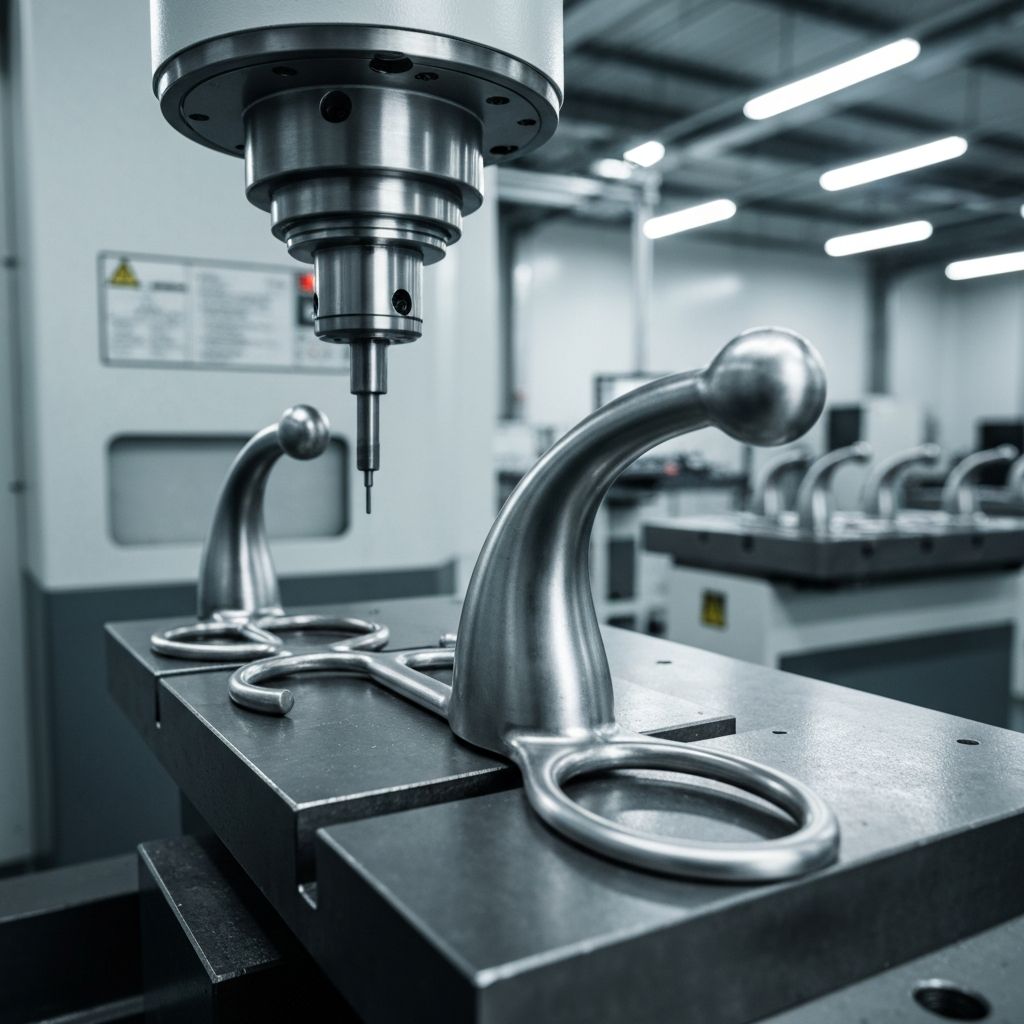
Medical Device Tooling Solutions
Implants, surgical instruments, and bone screws require tooling built to the highest precision standards. Spec Tool engineers develop cutting solutions for implant-grade titanium, cobalt-chrome, and stainless steel medical alloys.
Medical Machining Challenges
Medical-grade alloys demand exceptional precision and process control. Spec Tool engineers select the ideal substrate, coating, geometry, and edge preparation for each implant and instrument application.
Implant-Grade Alloys
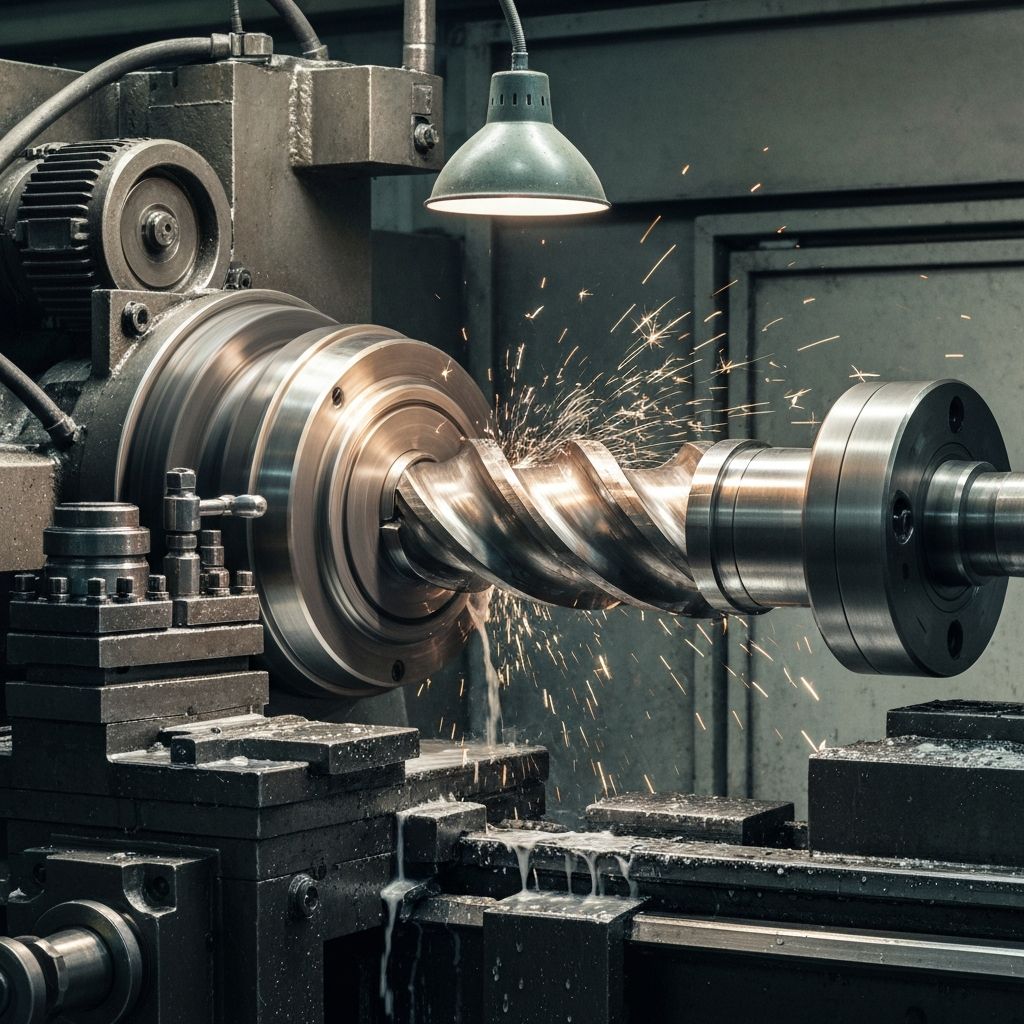
Titanium Ti-6Al-4V ELI and cobalt-chrome alloys require sharp, polished carbide cutting edges and high-pressure coolant strategies to maintain surface quality and prevent contamination.
Micro-Precision Geometry
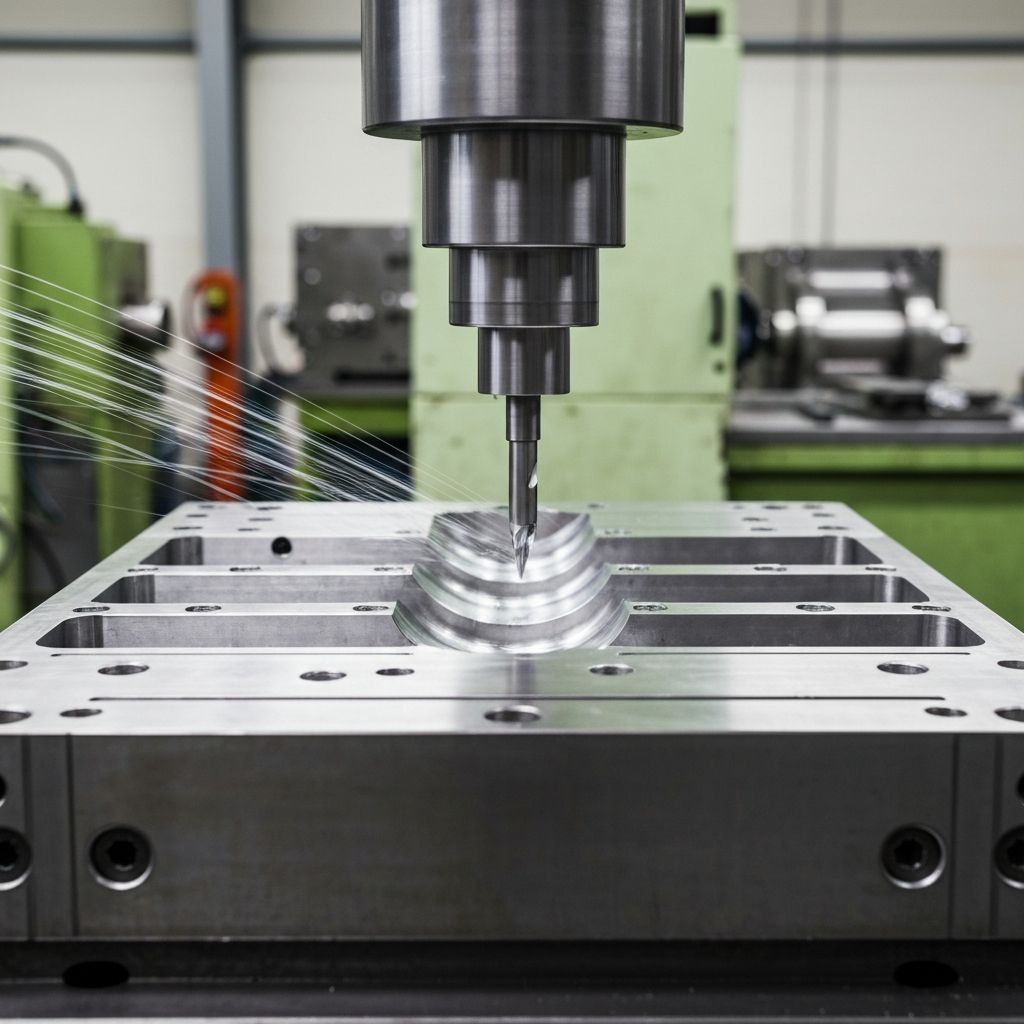
Bone screw threads, cannulated drills, and small medical components require precision-ground tooling with form tolerances held to ±0.0005".
Stainless Steel Machining
Materials such as 316L and 17-4 PH stainless steel work-harden quickly. Positive-rake carbide geometries with TiAlN coatings help extend tool life and maintain consistent performance.
Surface Finish Requirements
Critical articulating implant surfaces often require Ra 0.4 or better finishes. PCBN finishing inserts and rigid toolholding systems help achieve these demanding requirements.
Recommended Tooling
Precision-ground and application-engineered solutions designed for medical materials, complex geometries, and demanding surface finishes.
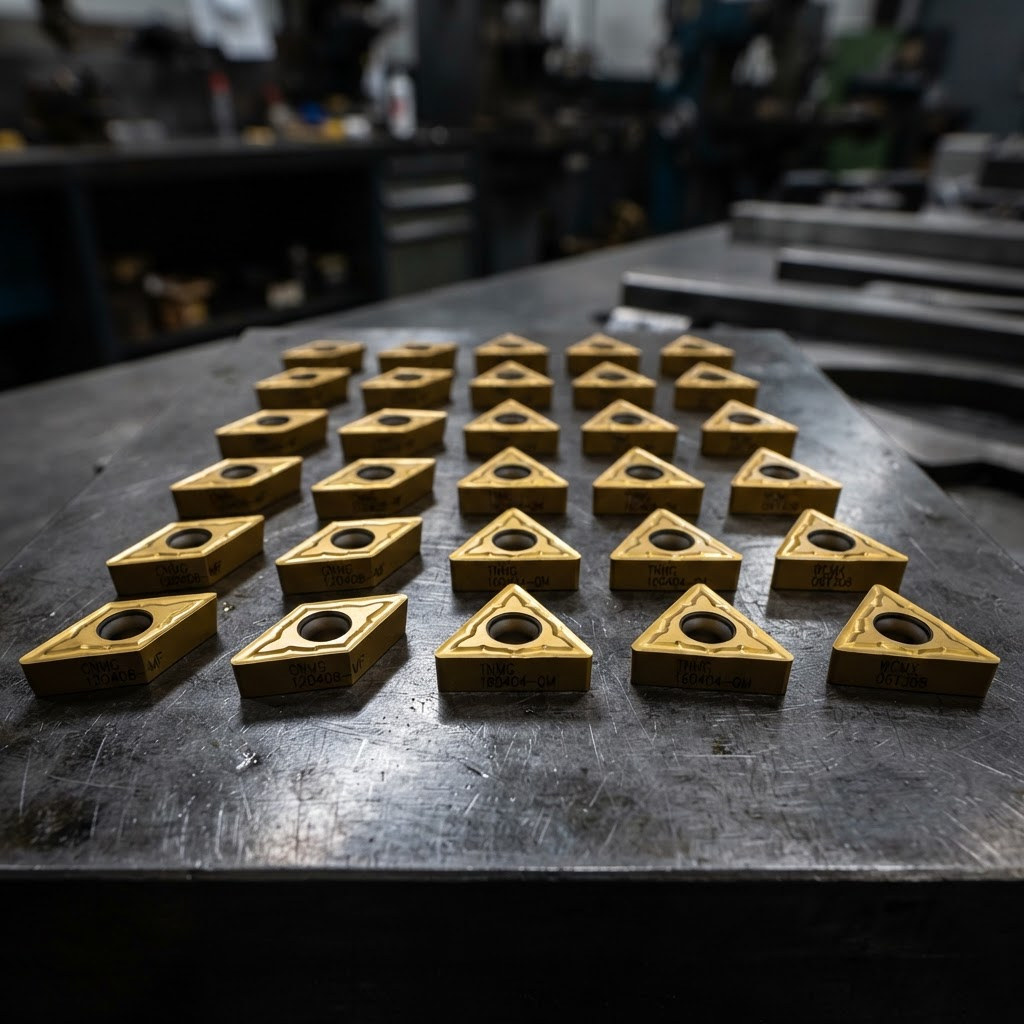
Implant Turning Inserts
PVD-coated carbide inserts engineered for Ti-6Al-4V ELI, cobalt-chrome, and other implant-grade materials.
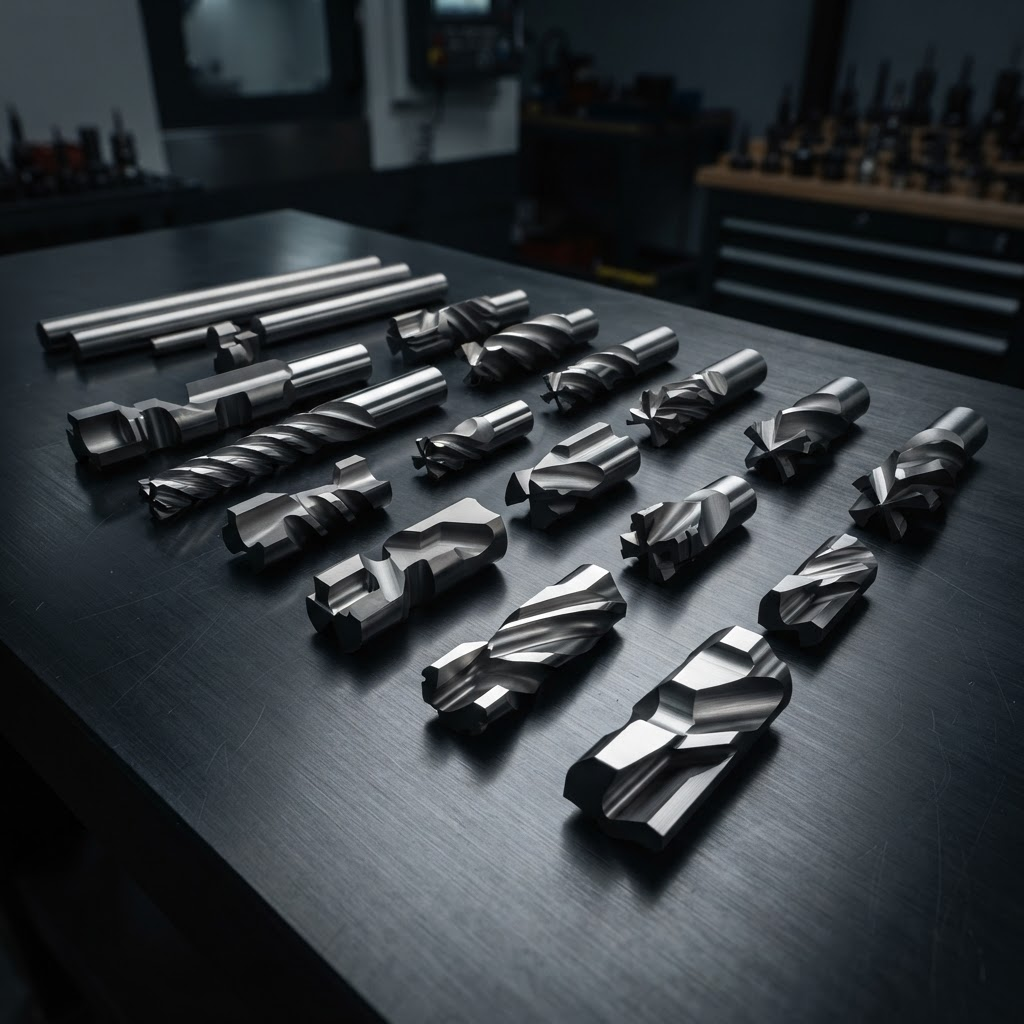
Bone Screw Thread Forms
Custom-ground thread profiles designed for ISO and ASME bone screw standards and specialized implant geometries.
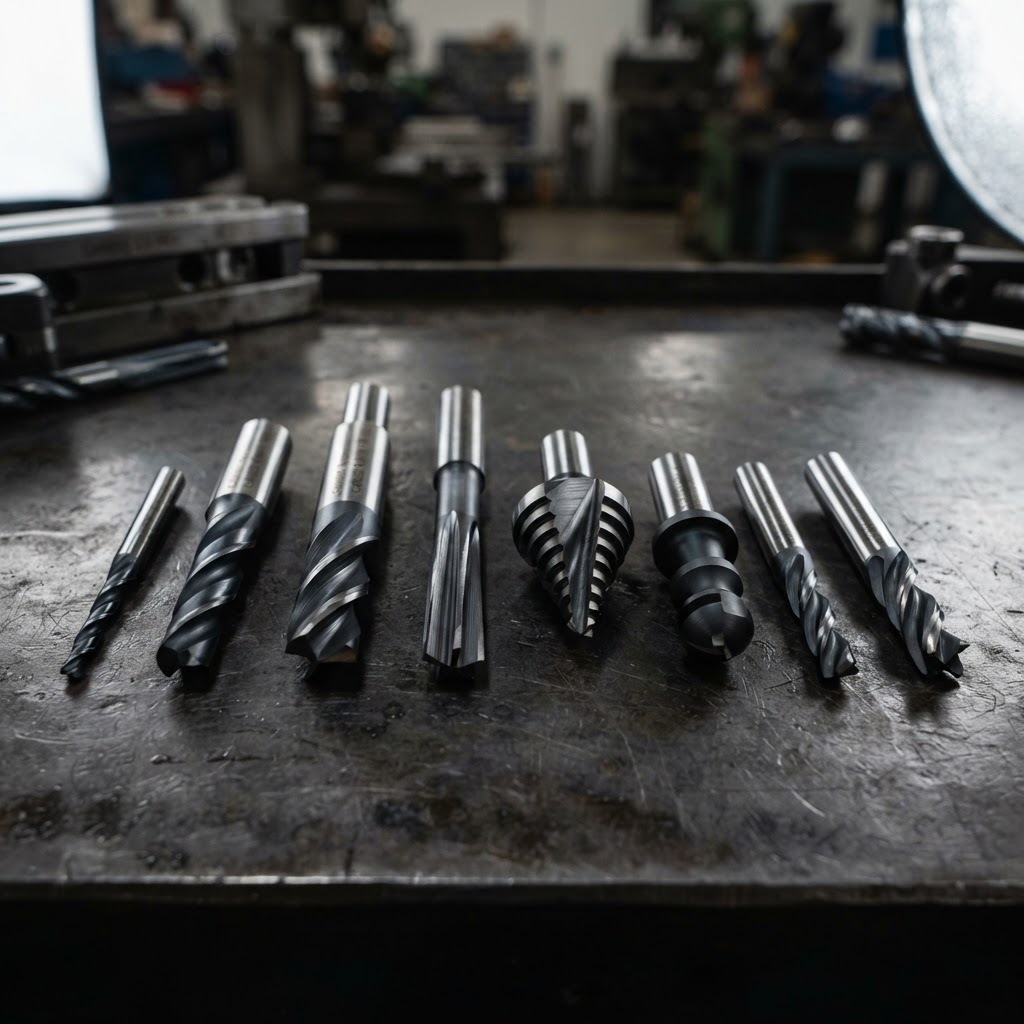
PCBN Finishing Inserts
Solid PCBN solutions for achieving Ra 0.4 surface finishes on cobalt-chrome femoral heads and other hardened implant surfaces.
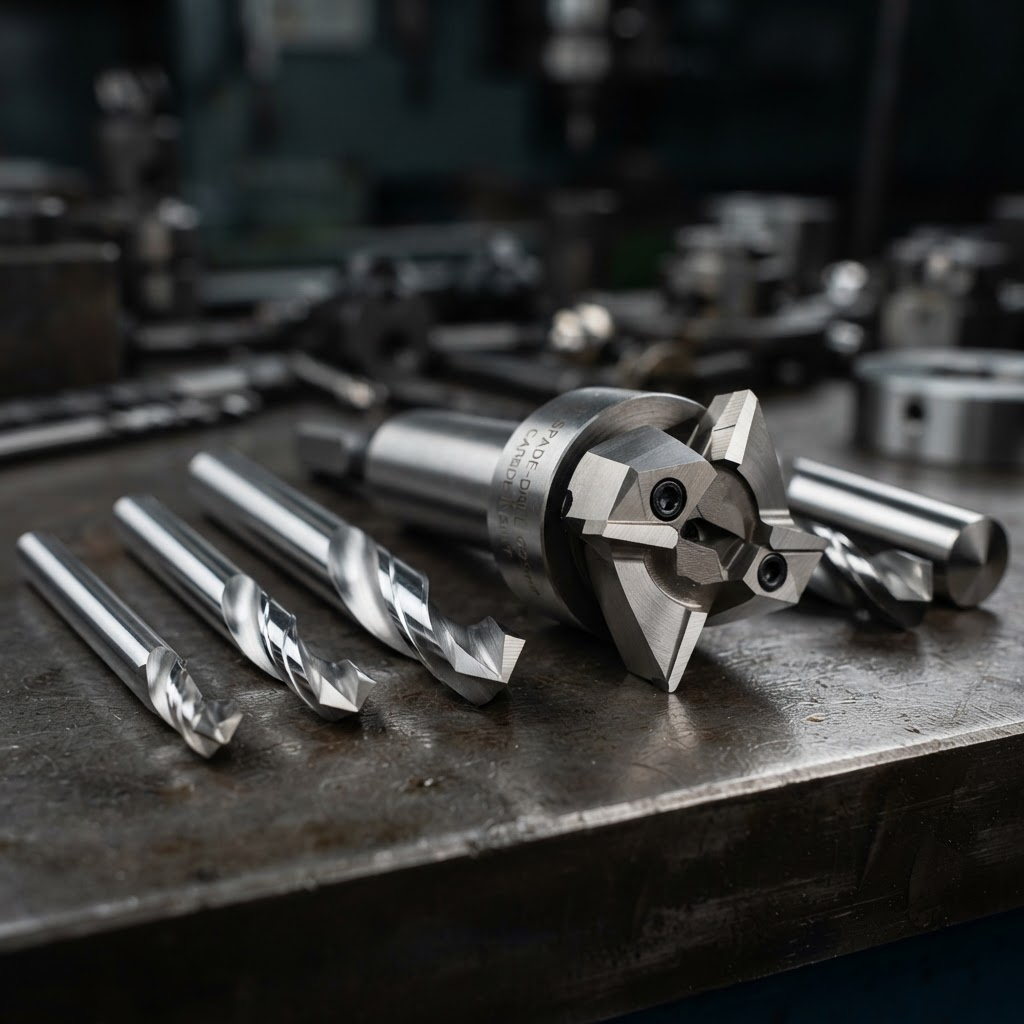
Micro Drill Blanks
Submicron carbide blanks designed for precision cannulated drilling and small-diameter medical instrument applications.
Other Industries We Serve
Need Precision Tooling for Medical Components?
Talk with a Spec Tool engineer about your implant, instrument, material, and machining requirements.